
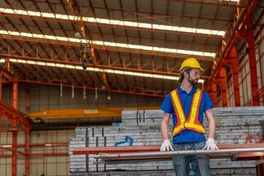
Overcoming Noisy Construction Environments: Features Every Site Duress Alarm Needs .
Active construction sites are inherently high-risk, high-noise environments. When a critical incident occurs—such as a worker fall, medical emergency, or equipment entrapment—relying solely on a standard consumer mobile phone for emergency signalling may introduce avoidable failure points. …
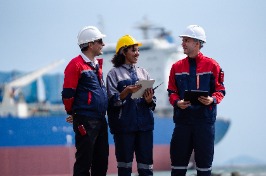
Preventing False Alarms in Industrial Environments: Best Practices for Duress Alarm Deployment .
In high-risk industrial environments—such as manufacturing plants, mining sites, processing facilities and remote infrastructure projects—personal duress alarms are vital lifelines for lone workers and field staff. However, the effectiveness of any lone worker safety system depends heavily on system reliability…

Seconds Save Lives: The Crucial Difference Between Consumer Smartwatches and Industrial Duress Hardware.
For procurement officers, IT managers and logistics fleet supervisors, protecting lone workers and remote field staff is a core compliance objective. When developing a corporate safety budget, it is common to consider shortcuts—such as issuing standard consumer smartwatches or deploying mobile safety…
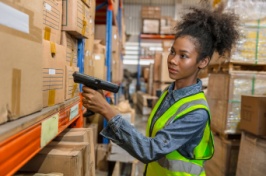
The Invisible Risk: Managing Lone Worker Safety in High-Volume Distribution Centres .
Modern supply chains rely heavily on 24/7 mega-warehouses and high-volume distribution hubs to meet demanding delivery timelines. To maximise efficiency, these facilities frequently utilise multi-tiered layout configurations and sprawling footprints where employees work around the clock. A significant byproduct…

Protecting the Night Shift: Safety Protocols for 24/7 Aged Care and Hospital Staff .
For facility managers operating healthcare, mental health and aged care networks, managing risk changes drastically when the sun goes down. During the day, hospitals and residential facilities are bustling, highly visible environments with ample administrative support, active security presence and a high…

After Hours, Alone and Unmonitored: Why Commercial Cleaners Are One of Australia’s Most Overlooked High-Risk Worker Groups .
When Australians think about high-risk occupations, the usual suspects come to mind — construction sites, mine shafts, hospital emergency wards. Commercial cleaners rarely make the list. Yet they work alone, in empty buildings, at 3am, handling caustic…